

fully free, download it now to own it for life
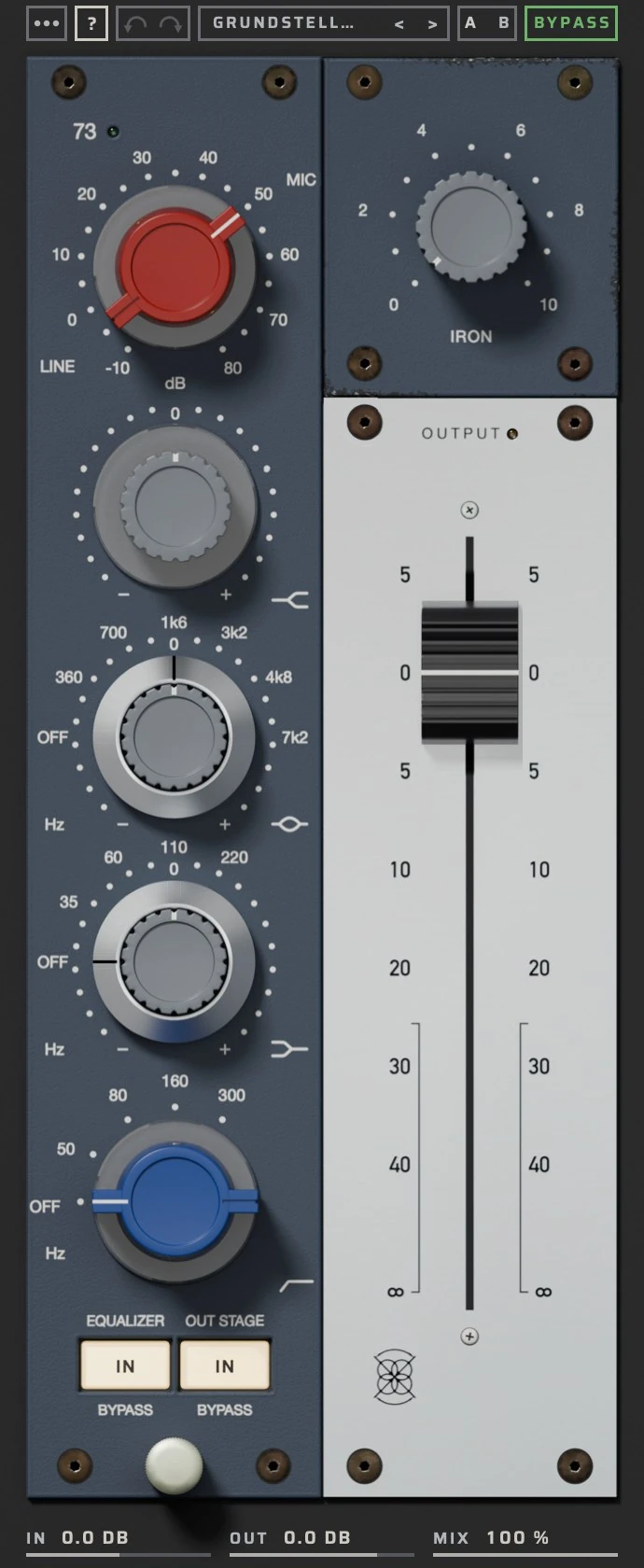
Preamp BE73 N
Preamp and EQ · British, 1970
explore the signal chain-
 01 / 04
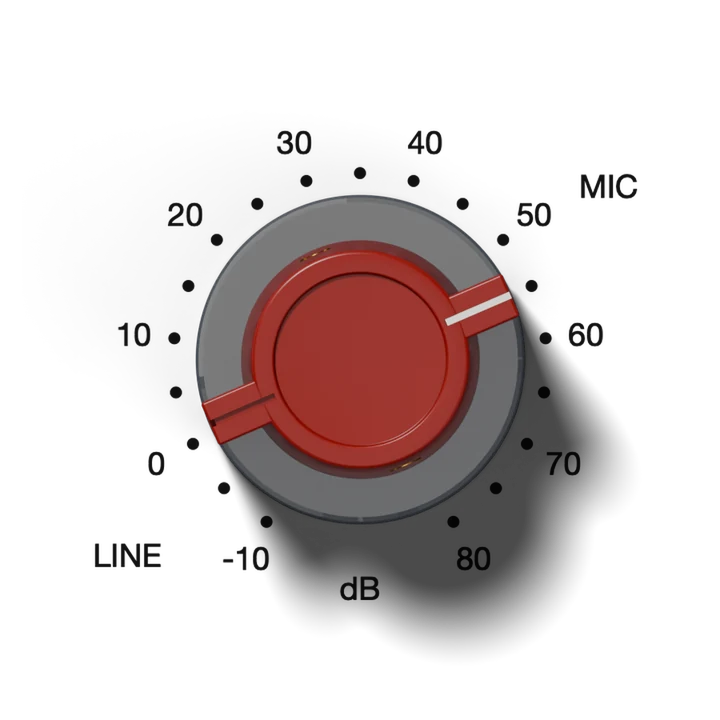
input gain
Drives the analog-modeled input transformers and 3 stacked Class A stages into saturation.
-
02 / 04
eq
Inductor EQ model with a nonlinear line amp.
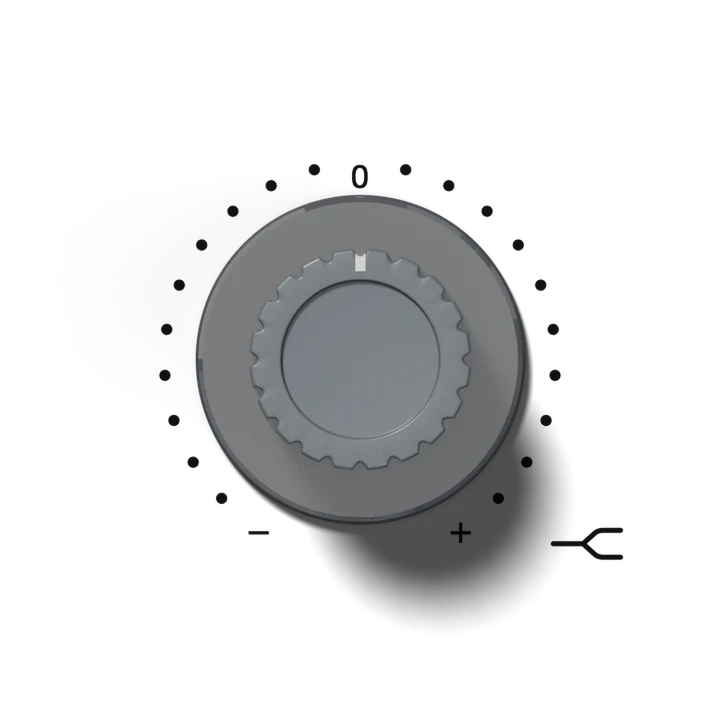 hi freq12 kHz high shelf. Boost or cut.
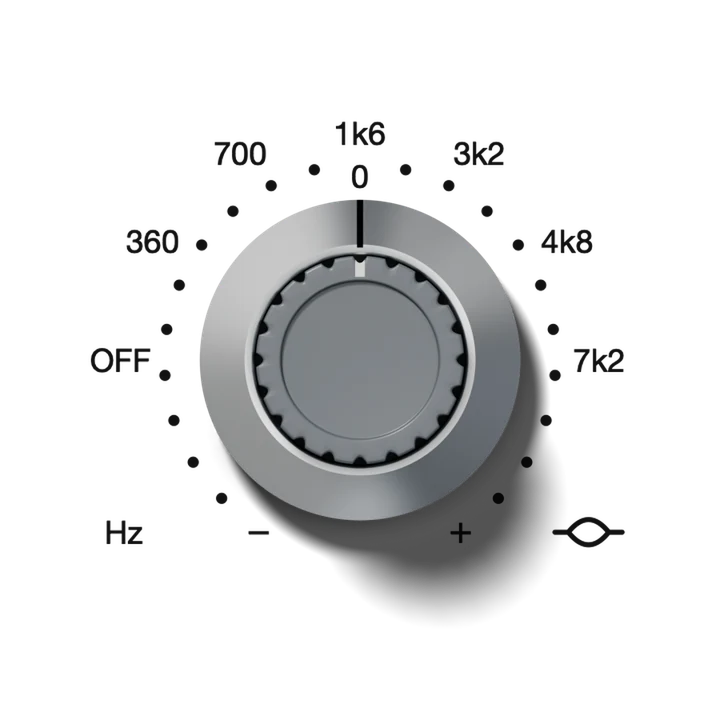 mid freqBell. Outer ring sets frequency, inner sets boost or cut amount.
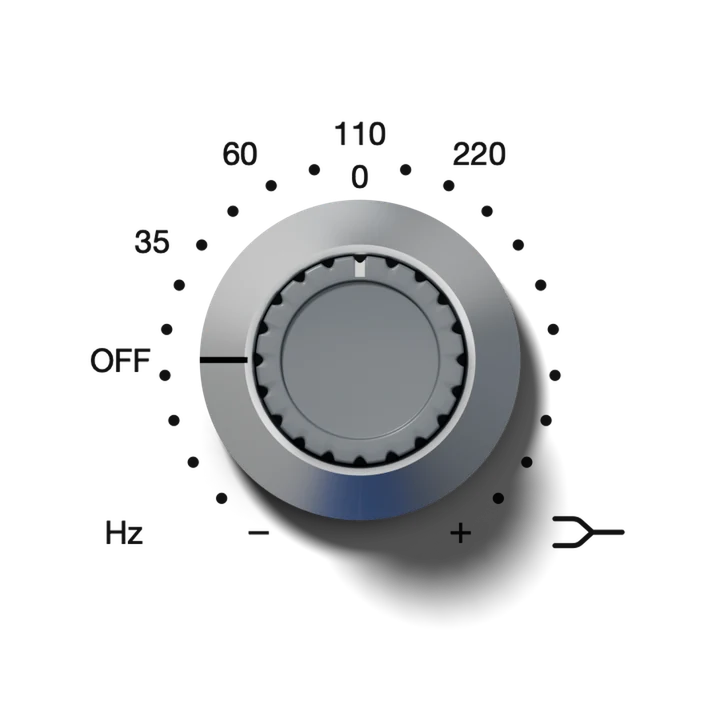 low freqLow shelf. Outer ring sets frequency, inner sets boost or cut amount.
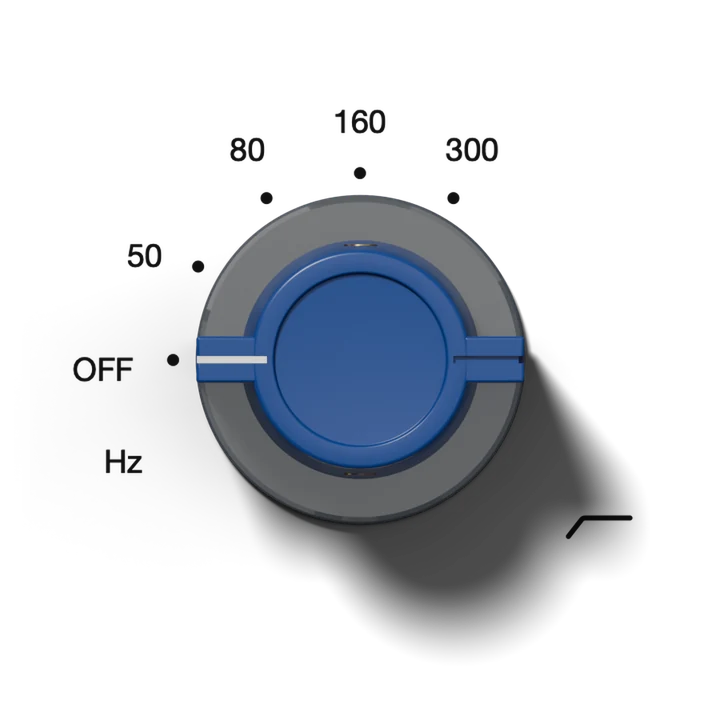 high pass18 dB/oct.
-
 03 / 04
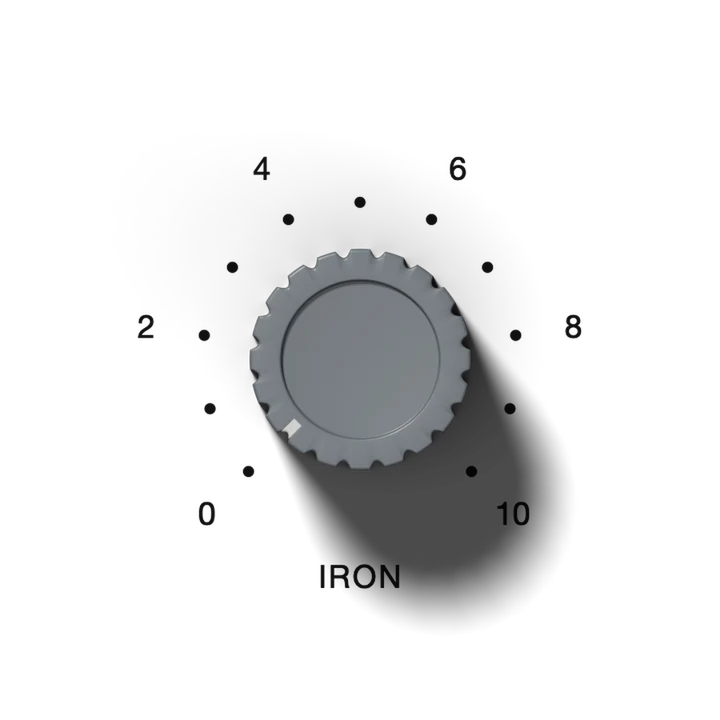
iron
Magnetizes the physical transformer models.
-
 04 / 04
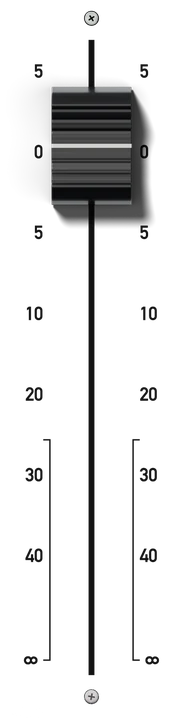
fader
Drives the output stage and output transformer model into saturation.
built from the schematic
Every busy electrons plugin starts from the original circuit diagram. We build it piece by piece: tubes, transistors, transformers. Each part responds to level, load and frequency the way the real circuit would, wire by wire.
preamp
The first stage lifts your signal to line level and gives it its weight. Transformer in, gain where the circuit puts it.
eq
Every band is the original filter network, so boosts and cuts lean on each other the way they do on the hardware.
output stage
The last amplifier drives the signal out of the plugin. Push it and it gives a little, like the real one.
particle zoo
to achieve real analog behaviour, we model separate stages with electrolytic cap charge states, dynamic core flux and hysteresis. and we test it against the original circuit and against real 1073-style hardware.
history
Rupert Neve designed the 1073 around 1970 as a channel module for a mixing console: microphone preamp, three-band EQ and high-pass filter, discrete class A, with Marinair transformers at input and output.
In the seventies its sound became a studio benchmark. At Wessex Studios in London, whose console the 1073 was built for, Queen (News of the World), the Sex Pistols (Never Mind the Bollocks) and The Clash (London Calling) all recorded, among many others.
The 1073 is known for powerful lows, clear highs and a soft saturation when driven. To this day it is a reference for microphone preamps. With Preamp BE73 N we recreated this sound as closely as we could, technically and musically, part by part on the original circuit.
Neve and 1073 are trademarks of AMS Neve Ltd. busy electrons is not affiliated with AMS Neve.
specs
- price
- free
- formats
- AU · VST3
- system
- macOS 12 or later
- processors
- Apple silicon and Intel
- install
- with the busy electrons installer (easy account management), or directly: the .pkg from your free account, licence key built in
- version
- 2.3.4